
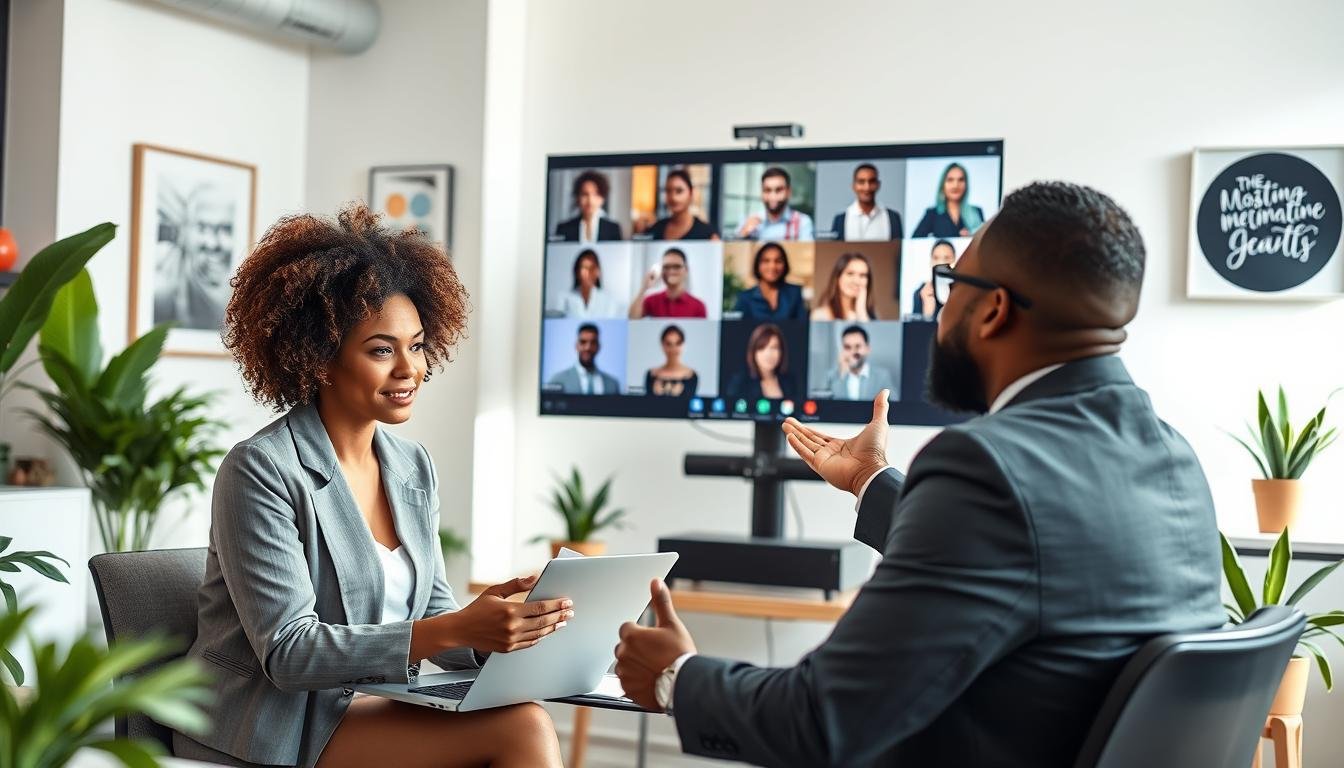
Did you know remote work can boost productivity by up to 47%? Today, effective remote team coordination is key. As companies move to flexible work models, learning how to manage virtual teams is vital.
Success in remote work depends on strong communication and supportive management. These tools help teams work well, no matter where they are. By using the best remote team coordination practices, businesses can keep their teams motivated and successful. This article will share tips on how to make sure every team member is informed and ready to succeed.
Key Takeaways
- Remote work can significantly enhance productivity when effectively managed.
- Clear communication is the cornerstone of successful remote team coordination.
- Implementing supportive management systems fosters team engagement.
- Best practices in virtual team management promote alignment and accountability.
- Engaged teams contribute more effectively to business outcomes.
Understanding the Need for Remote Team Coordination
The shift from traditional work places has changed how teams work and businesses run. Now, companies use talent from all over the world. This brings more flexibility and cuts down on location limits.
This change helps teams match better with what each person likes. It makes the team more engaged and productive.
Shift from Traditional Work Environments
Remote team coordination is key for companies adjusting to new work setups. They use online tools to keep teams talking, no matter where they are. This cuts down on costs for office space, making things more efficient.
Benefits of Remote Work for Employers and Employees
Remote work is good for both sides. Businesses save money and find more skilled workers. Workers get a better balance between work and life, which makes them happier.
This balance boosts productivity and encourages new ideas. Research shows teams that focus on remote work productivity do better overall.
| Aspect | Benefits | Impact on Productivity |
|---|---|---|
| Cost Efficiency | Reduced overhead expenses | Higher profit margins |
| Employee Satisfaction | Improved work-life balance | Enhanced engagement |
| Diversity | Access to global talent | Broader range of skills |
| Flexibility | Customized work environments | Increased innovation |

Key Challenges in Remote Team Coordination
The move to remote work has changed how many teams work. Yet, there are big challenges in keeping teams coordinated from afar. Understanding the unique challenges of virtual teams is key.
Communication Breakdown Across Time Zones
Time zone differences can really slow down remote team talks. Finding a time that works for everyone can be tough. This can make decisions take longer, hurting productivity.
Leaders need to find ways to keep everyone involved, even when they’re not in the same time zone. Using methods that work even when people are not online at the same time is important.
Managing Employee Engagement and Morale
Keeping team spirits high when everyone works from home is hard. Without face-to-face time, team members might feel left out. To fight this, teams should have regular check-ins and places for feedback.
Building a supportive team culture helps everyone feel connected. This leads to better teamwork and results, even when everyone is not in the same place.
Building a Centralized System for Remote Team Management
Creating a centralized system is key for managing remote teams well. It makes communication and tracking tasks smooth. This is vital for keeping things clear.
Having one place for all information helps everyone stay on the same page. It builds trust and cuts down on mistakes.
Importance of a Single Source of Truth
A single source of truth is a big help for remote teams. It keeps all info in one spot, making it easy to find what you need. This cuts down on confusion and helps teams do their jobs better.
Integrating Digital Tools for Efficient Coordination
Digital tools are essential for remote team work. They help teams work together better and keep projects on track. Tools like task managers and chat apps make it easier to stay updated.
Using the right tools helps teams work together smoothly. For example, UpsourceMedia offers tools that help with task management and support.
| Tool | Purpose | Benefit |
|---|---|---|
| Project Management Software | Track tasks and timelines | Improved visibility and accountability |
| Video Conferencing Tools | Facilitate meetings | Enhanced communication among team members |
| Instant Messaging Apps | Quick communication | Faster decision-making processes |
Using these digital tools improves how teams work together. It helps businesses manage their remote teams better and reach their goals.
Effective Remote Team Communication Strategies
In the world of virtual team management, good communication is key. Clear rules help everyone know what’s expected. This reduces confusion and makes work flow better.
Establishing Clear Communication Policies
Clear guidelines make sure everyone is in sync. Teams that share their hours, preferred ways to talk, and how fast they’ll reply work better together. These rules help everyone feel trusted and responsible.
Utilizing Online Collaboration Tools
Online tools change how teams talk. They let teams share ideas and make decisions together right away. Tools like Asana, Slack, or Microsoft Teams keep everyone connected and working together.
Remote Team Coordination: Best Practices for Success
Using the best practices for remote team coordination makes work more efficient and effective. It starts with setting clear goals and expectations. This helps everyone know their role and work together better.
Setting Clear Expectations and Goals
Setting clear goals helps the whole team stay on track. We work together to set specific, measurable targets. This way, everyone knows what’s expected, leading to better productivity.
Having clear goals also helps us track progress. We can make changes as needed to stay focused on our goals.
Fostering a Culture of Trust and Accountability
Building a culture of trust and accountability is key for remote teams. When team members trust each other, they’re more committed to their work. We believe in regular feedback to keep communication open.
Being open about how we’re doing helps everyone feel part of the team. This sense of belonging drives us to work better together.
| Best Practices | Description |
|---|---|
| Set Clear Expectations | Define specific roles and responsibilities to avoid ambiguity. |
| Encourage Regular Feedback | Implement routine check-ins to discuss progress and obstacles. |
| Foster Trust | Empower team members to take ownership of their work. |
| Promote Accountability | Encourage teams to hold one another accountable for results. |
Tools to Enhance Remote Team Collaboration
To work well together from a distance, the right tools are key. Good software helps teams work smoothly and talk clearly. Here are some top tools for better digital project management and teamwork.
Must-Have Project Management Software
Good project management software helps teams track their work and share tasks. Asana, Trello, and Monday.com are top picks. They offer features like:
- Task assignment and monitoring
- Progress visualization through dashboards
- Deadline tracking to ensure timely completion
These tools help team members feel responsible and work better together. This creates a productive team environment.
Real-Time Communication Platforms
Today’s work moves fast, and real-time communication tools help keep up. Slack, Microsoft Teams, and Zoom make it easy for teams to talk and share. They offer:
- Instant messaging for quick queries
- Video conferencing for face-to-face interaction
- File sharing capabilities to streamline workflows
Using these tools makes teamwork better by cutting down on delays. It helps teams make decisions faster.
Leveraging Flexibility for Improved Remote Work Productivity
Flexibility is key to boosting remote work productivity. It lets organizations create work environments that fit each employee’s needs. This way, everyone can work more efficiently and creatively.
Creating Adaptive Work Environments
It’s important for companies to offer flexible setups. This helps team members work best when they’re most alert. Here are some ways to make workspaces adaptable:
- Give team members choices on where to work, like home or co-working spaces.
- Let them choose their work hours to fit their schedules and energy levels.
- Use technology to keep everyone connected and communication smooth.
Encouraging Work-Life Balance Among Team Members
Work-life balance is critical for keeping teams engaged and productive. By supporting well-being and flexible work, companies can prevent burnout. Here are some ways to promote balance:
- Make sure everyone takes breaks to rest and recharge.
- Provide mental health resources and programs for remote workers.
- Have regular meetings to check in on workloads and stress levels.
Conclusion
Mastering remote team coordination is key to boosting productivity and improving how organizations work. In today’s fast-changing digital and hybrid work worlds, it’s vital. By tackling the challenges of virtual teams, we can make remote work better.
Using the right tools and communication strategies is essential. It helps create a strong base for managing virtual teams well. With clear communication and expectations, team members can do their best, no matter where they are.
As we adjust to a more diverse and spread-out workforce, focusing on remote team coordination is critical. It helps us reach our full organizational goals. By investing in these strategies, we can stay productive and successful in the future.